
- Your cart is empty
- Continue Shopping
Customer Return Pallets: A Beginner Guide to Maximise ROI
- Posted on
-
Posted by: Eyang
- 0 comments
- Mixed Deals
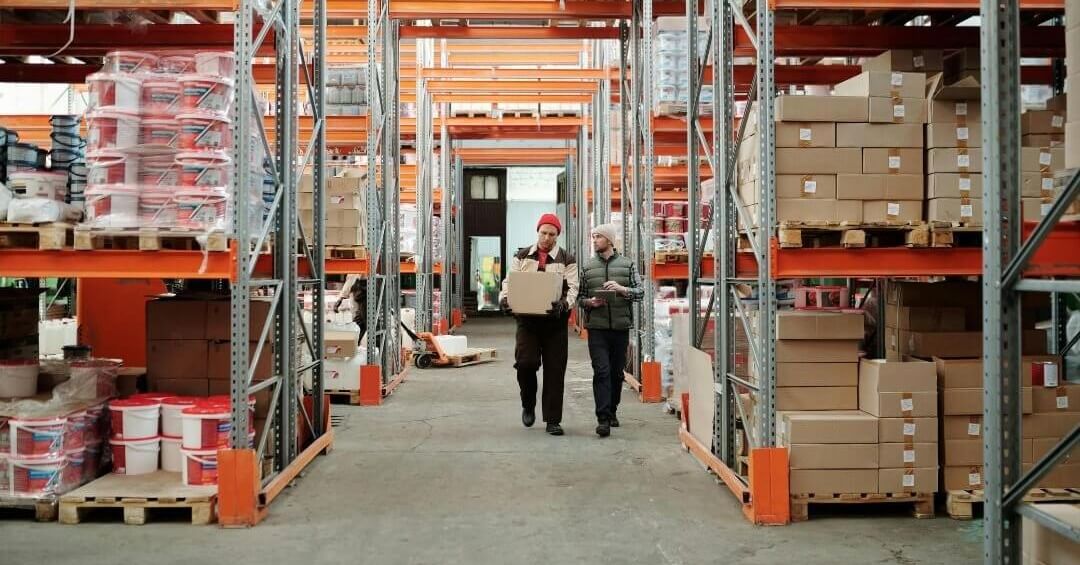
Purchasing customer return pallets offers one of the most profitable opportunities in the UK secondary market, regardless of whether you are an eBay power seller, an independent trader, or launching a new side business. However, sourcing these inventory at good prices and conditions, is majorly the most difficult task for any reseller globally.
This led us to put up an easily comprehensible guide that explains what return pallets are, how to grade them, and how to make a sizeable profit from liquidation stock available in the UK. Let’s dive in…
What Are Customer Return Pallets?
To have a clearer understanding on how to maximize profits is to know what this whole concept entails. In simple terms, customer return pallets are bundles of merchandise that have been purchased by customers, but returned back to the retailers. Reasons for these returns may span from late delivery or change in desire to mismatched expectations of the products or slight product damages.
Retailing giants like Amazon and eBay frequently lack the infrastructure necessary to examine, repackage, and replenish each returned item. Rather, they sell these stocks to the secondary market after stacking it on pallets to liquidate it in large quantities.
Understanding the condition of the stock is crucial. Most pallets are categorised by a grading system:
- Grade A (Pristine/New): Items are often unopened or the box has been opened but the product is untouched. These command the highest price but offer the fastest turnaround.
- Grade B (Tested Working/Light Use): These items may have been used briefly. They usually function perfectly but may have slight cosmetic marks or damaged packaging.
- Grade C (Raw Returns/Untested): This is “sold as seen” stock. It is a mix of working items, items needing repair, and occasionally scrap parts. This grade carries higher risk but offers the deepest discounts.
Why Buy Customer Return Pallets?
The liquidation market is actively booming in the UK due to a combination of persistent economic challenges, increased pressure from creditors, amongst others as recorded in the UK Insolvency Market Predictions. This therefore, creates an opportunity for resell retailers who are profit oriented. With that being said, here is why savvy entrepreneurs are shifting their focus to returns:
- Massive Cost Savings: Resellers are often purchasing stock at 10% to 30% off the RRP (Recommended Retail Price), this leaves a massive margin for profit. Buyers who can sort, test, and effectively market the items can achieve significant profit margins.
- High Resale Margins: Even if you sell an item for half its original retail price, your profit margin can still be substantial because your buy-in cost was so low.
- Low Barrier to Entry: You do not need a massive warehouse to start. Many resellers begin with a single mixed-category pallet stored in a garage or spare room.
- Inventory Variety: A single pallet can instantly populate your eBay store with dozens of different SKUs, saving you hours of sourcing time.
Types of Return Pallets You Can Buy
The variety of stock available is vast. Depending on your expertise and target market, you can choose specific categories:
- Consumer Electronics: Laptops, tablets, headphones, and smartwatches. High value, but requires testing.
- Small Home Appliances: Kettles, toasters, air fryers, and vacuums (e.g., Shark or Dyson returns).
- Clothing & Footwear: Fashion returns are popular as they often just have sizing issues rather than functional defects.
- Tools & DIY: Power drills, gardening equipment, and hardware.
- General Merchandise: A “lucky dip” mix containing everything from toys and home-ware to office supplies.
How to Choose Quality Return Pallets
Here comes the “ice in the cream”, the crux of the matter, yeah! Anyway, it is good to know that not all pallets are created equal. So… to avoid losing money, you must understand how to analyse a listing. The following will guide you on doing this:
- Manifested vs. Unmanifested Listing:
When the seller provides a detailed spreadsheet (manifest) listing every item on the pallet, its condition, and RRP, his is called the Manifested Listing. By this you know exactly what you are buying and avoid high risk. While on the flip side, the Unmanifested Listing, which is often called “Blind Pallets”, is when you buy a category of mixed items without knowing the specific content of the pallets.
- Check the Source:
The origin of a return pallet has a significant impact on its quality. Buy from reliable B2B or B2C liquidation marketplaces to steer clear of common scams on social media or from unreliable sources. Seek out vendors who have received favourable reviews from clients and who are open about their procedures.
- Calculate the Total Costs:
The purchase price is only part of the investment; factoring in shipping and storage cost will give you an overhaul cost of purchase. Large, heavy pallets incur significant freight costs, which can eat into profit margins. Also, set aside funds for repairs, spare parts, packaging, and the disposal of unsellable items.
- Start Small and Scale:
For beginners, high risks are best avoided. Start with a single, lower-cost, and clearly manifested pallet to learn the process before committing to larger or more expensive lots.
Where to Buy Customer Return Pallets: Dealsavvy Global
Finding a reliable source is the most critical step. At Dealsavvy Global, we bridge the gap between major retailers and independent buyers.
- Transparent Marketplace: We provide detailed manifests whenever available, so you can calculate your potential profit before you spend a penny.
- Flexible Buying Options: Choose from exciting auction formats to snag a bargain or use our Buy It Now fixed-price options for guaranteed stock.
- Buyer Protection: We pride ourselves on accurate descriptions. If a manifest is significantly incorrect, our support team is here to help.
How to Maximise Profits From Return Pallets
Once your pallet arrives, the real work begins. Here is how to ensure the best return on investment:
- Process Immediately: Don’t let the pallet sit. Sort items into “Sell Now,” “Repair,” and “Discard.”
- Clean and Test: A quick wipe-down and a photo showing the device turned on can increase the resale value by 20%.
- Bundle Low-Value Items: If you have small items (like phone cases or cables), bundle them together rather than selling individually to save on postage and fees.