
- Your cart is empty
- Continue Shopping
Understanding Wholesale Liquidation for Resellers
- Posted on
-
Posted by: Eyang
- 0 comments
- Mixed Deals
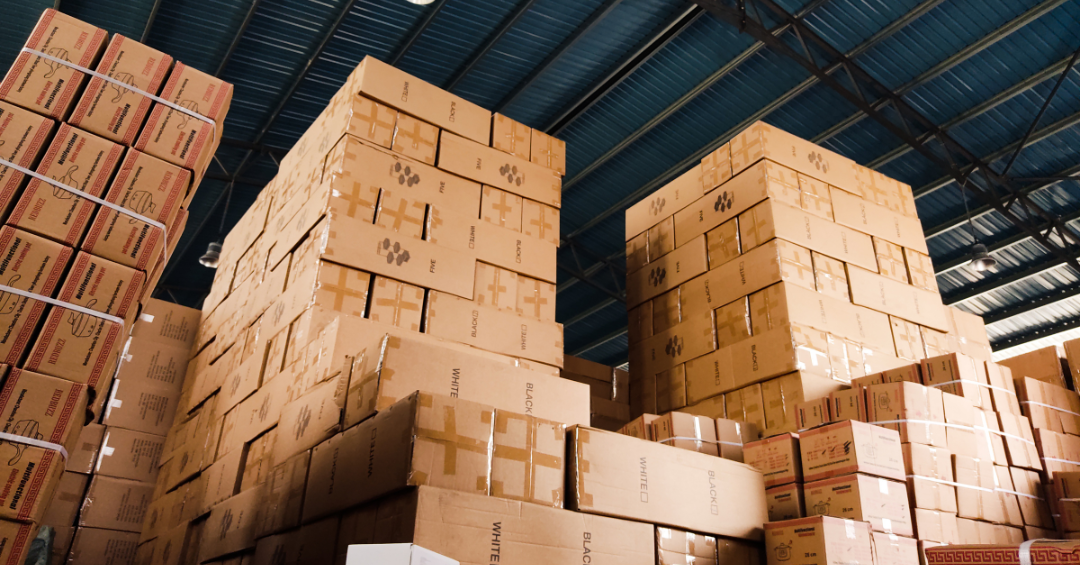
In the dynamic retail industry, resellers are always searching for new ways to increase their earnings. One of such opportunity is wholesale liquidation, which offers a wealth of deeply discounted goods that can be turned into profitable endeavours. But what exactly is wholesale liquidation, and in what way can resellers take advantage of it? In order to find unique products at outstanding prices and help resellers stand out in a crowded market, it is essential to comprehend this process. This guide attempts to demystify wholesale liquidation for both novices and seasoned pros, from navigating liquidation auctions to identifying the potential of different inventory sources. Explore how this tactic can improve your reselling performance and open the door to both financial success and business expansion.
What is Wholesale Liquidation?
Wholesale Liquidation is known as the process of selling products, usually in large quantities, at drastically lower prices in order to get rid of extra, outdated, or returned inventory. Offloading goods that are no longer profitable to sell at reduced price is a common practice in the retail sector, where companies must engage in such acts to preserve cash flow and storage space. These products are bought by liquidators for a small portion of their original cost, and they subsequently resell them to other companies, typically resellers, who can then sell them to customers at competitive prices. This cycle gives resellers the chance to purchase goods at reduced prices while also enabling the continuous replenishment of retail inventory.
Wholesale liquidation can offer a wide range of products, such as clothing, electronics, home goods, and more. These items might come from overstock situations, customer returns, or even discontinued product lines. Finding high-quality products that can be sold profitably despite their lower acquisition costs is essential to a successful wholesale liquidation. To make sure that these products can be successfully resold, resellers need to be skilled at assessing their marketability and condition.
It is essential for resellers to fully understand wholesale liquidation. It’s not just about purchasing discounted goods; it’s also about recognising the potential value in these goods. Resellers can increase their profit margins, diversify their inventory, and draw in more customers by utilising liquidation sources. Knowledge, preparation, and a sharp eye for opportunities that others might miss are necessary for this strategic approach. Therefore, for those who grasp its complexities, wholesale liquidation can be a game-changer.
The Benefits for Resellers
The ability to purchase goods at substantially lower costs than through conventional wholesale channels is one of the main advantages of wholesale liquidation for resellers. Because of this cost advantage, resellers are able to provide their clients with competitive pricing, increasing sales and cultivating loyal consumers. Resellers can increase their profit margins by buying surplus stock, which is crucial for expansion and sustainability in the competitive retail market. This financial flexibility allows resellers to reinvest in their business, expand their product offerings, and enhance their market presence.
Another advantage is the opportunity to access a diverse range of products. Wholesale liquidation often includes a mix of items from various categories, providing resellers with the chance to diversify their inventory. This variety can appeal to a broader audience, attracting different customer segments and increasing the likelihood of repeat business. Additionally, offering a wide range of products can help resellers stand out in a crowded market, making their stores a one-stop shop for consumers looking for great deals on high-quality items.
Furthermore, wholesale liquidation can be a strategic tool for managing inventory and reducing overhead costs. By purchasing liquidation goods in bulk, resellers can benefit from economies of scale, lowering the per-unit cost of each item. This approach also helps in maintaining a steady flow of inventory, ensuring that there are always new products available for customers. Efficient inventory management is crucial for resellers, as it prevents stock-outs and overstock situations. By leveraging wholesale liquidation, resellers can optimise their inventory levels and improve their operational efficiency.
How to Source Wholesale Liquidation Inventory
Sourcing wholesale liquidation inventory requires a strategic approach and a thorough understanding of the available channels. One of the most common methods is through liquidation auctions, where resellers can bid on pallets or truckloads of goods. These auctions can take place in physical locations or online, providing flexibility for resellers regardless of their geographic location. To succeed in liquidation auctions, resellers must be prepared to research the products on offer, set a budget, and bid strategically to secure the best deals.
Online marketplaces are another valuable source of liquidation inventory. Websites such as Liquidation.com, B-Stock, and Direct Liquidation offer a wide range of products from various categories, making it easy for resellers to find items that suit their business needs. These platforms often provide detailed descriptions and condition reports of the products, helping resellers make informed purchasing decisions. Additionally, online marketplaces may offer buyer protection and return policies, adding an extra layer of security for resellers.
Building relationships with liquidation companies and wholesalers can also be beneficial for resellers. By establishing connections with reputable suppliers, resellers can gain access to exclusive deals, early notifications of new inventory, and personalized service. Networking within the industry can provide valuable insights and opportunities, helping resellers stay ahead of the competition. Attending trade shows, joining industry associations, and participating in online forums are all effective ways to build and maintain these relationships.
Common Mistakes to Avoid
While wholesale liquidation offers numerous opportunities, it also comes with its own set of challenges.
- One common mistake resellers make is failing to thoroughly research the products they intend to purchase. Without a clear understanding of the market demand, condition, and resale value of the items, resellers risk investing in inventory that may not sell, leading to financial losses. It’s essential to conduct due diligence, including checking product reviews, market trends, and competitor pricing, to make informed purchasing decisions.
- Another pitfall is overbidding in liquidation auctions. The excitement of bidding can sometimes lead resellers to exceed their budget, resulting in higher acquisition costs and reduced profit margins. To avoid this, resellers should set a maximum bid limit based on their cost analysis and stick to it. Patience and discipline are key to successful bidding and maximising the benefits of liquidation auctions.
- Resellers should be cautious of hidden costs associated with wholesale liquidation. Shipping fees, handling charges, and storage costs can add up and impact the overall profitability of the inventory. It’s important to factor in these expenses when calculating the total cost of goods and determining the resale price. By accounting for all potential costs, resellers can avoid unexpected expenses and ensure a healthy profit margin.
Understanding Liquidation Auctions and Online Marketplaces
Liquidation auctions and online marketplaces are pivotal components in the world of wholesale liquidation, providing resellers with access to a vast array of discounted inventory. Liquidation auctions are events where goods are sold to the highest bidder. Auctioneers conduct these auctions in physical locations or online, giving participants flexibility and convenience. The key to success in liquidation auctions is preparation: resellers must research the auctioneer, the products on offer, and the terms and conditions of the sale to make informed bids.
Online marketplaces like Dealsavvy Global and others, on the other hand, operate as platforms where liquidation companies list their inventory for sale. These websites provide a convenient way for resellers to browse and purchase goods from the comfort of their own homes or offices. These platforms typically offer detailed product descriptions, condition reports, and images, helping resellers make educated purchasing decisions. Additionally, online marketplaces may offer buyer protection and return policies, adding an extra layer of security for resellers.
When participating in liquidation auctions or purchasing from online marketplaces, resellers should be mindful of the terms and conditions, including payment methods, shipping options, and return policies. It’s also important to verify the credibility of the auctioneer or marketplace to avoid potential scams. Reading reviews, checking ratings, and seeking recommendations from other resellers can help ensure a positive buying experience. By understanding the intricacies of liquidation auctions and online marketplaces, resellers can confidently navigate these channels and secure valuable inventory at competitive prices.
Conclusion: Maximising Profits through Wholesale Liquidation
Wholesale liquidation presents a unique opportunity for resellers to acquire high-quality products at significantly reduced prices, enabling them to offer competitive pricing and achieve higher profit margins. By understanding the rudiments of wholesale liquidation, resellers can effectively source inventory, manage costs, and optimise their business operations. From participating in liquidation auctions to building relationships with reputable suppliers, there are numerous strategies that resellers can employ to maximise their success in this dynamic market.
In conclusion, wholesale liquidation offers resellers a pathway to financial success and growth in the competitive retail landscape. By mastering the art of selling liquidation inventory, resellers secure discounted products and achieve sustainable profitability. With the right knowledge, strategy, and determination, wholesale liquidation can become a powerful tool in the reseller’s arsenal.